

ACADEMIC
ACADEMIC
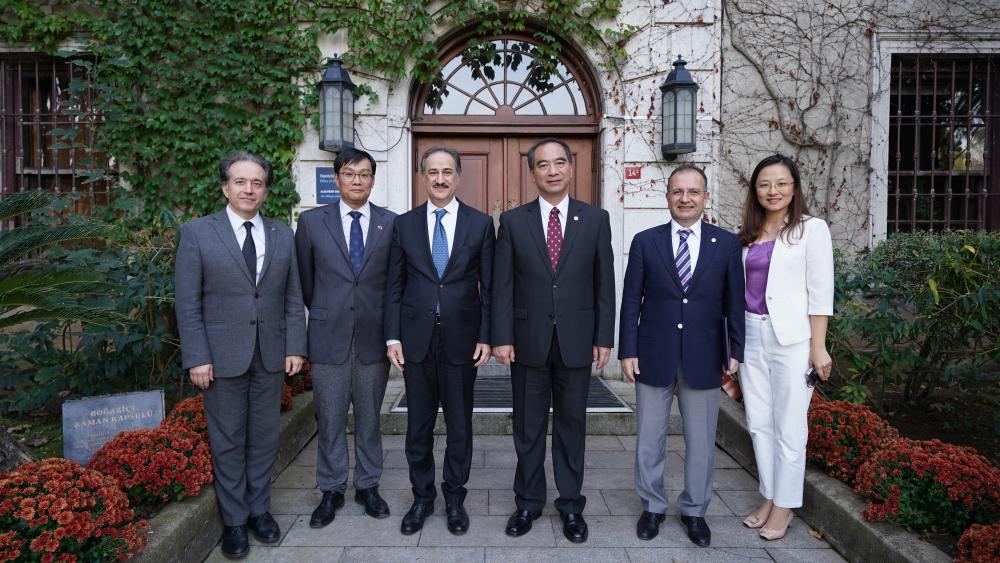
Protocol On Academic Cooperation Between Boğaziçi University and Peking University
Boğaziçi University and Peking University, one of the world's leading universities, have signed a protocol for an academic exchange program. According to the agreement, the two universities will promote academic cooperation through exchange programs for students and researchers.
ACADEMIC
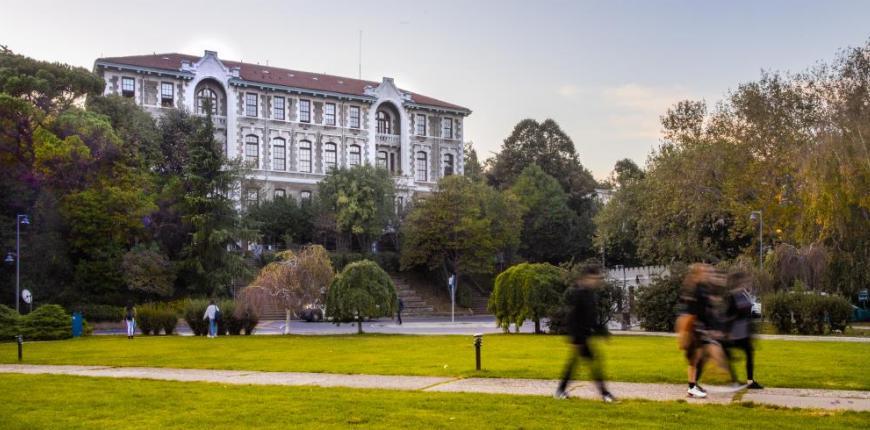
Boğaziçi University Rises In THE World University Rankings 2024
Boğaziçi University has moved from the 801-1000 band to the 601-800 band in the "World University Rankings 2024" prepared by the London-based Times Higher Education (THE). Boğaziçi University achieved the highest score in the evaluation criteria for university-industry collaboration.
ACADEMIC
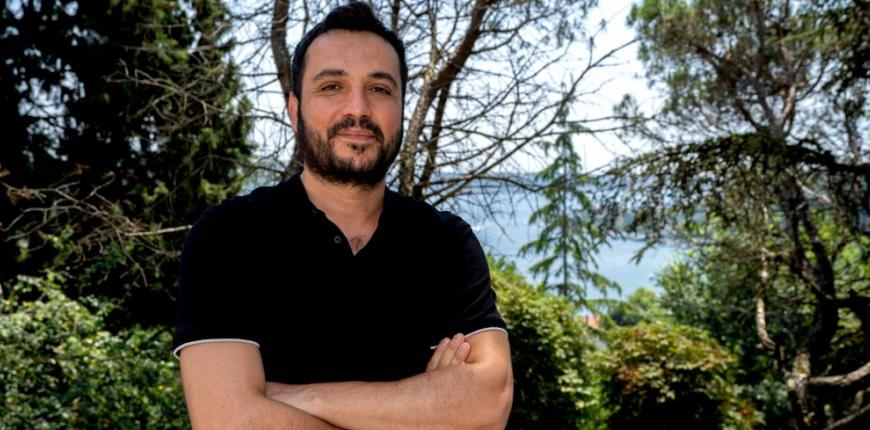
Academic From Boğaziçi University Will Study How Patenting Rights For Artificial Intelligence Should Work
"Who has the right to patent an invention created by an artificial intelligence?" To find an answer to this question, to which there is no clear legal answer, Özgür Arıkan, an assistant professor at Boğaziçi University Faculty of Law, has started his studies at Oxford University. The "legAIstatus" project, which is part of the European Union's (EU) Marie Sklodowska-Curie Actions (MSCA), aims to guide lawmakers on the intellectual property rights of artificial intelligence.
ACADEMIC
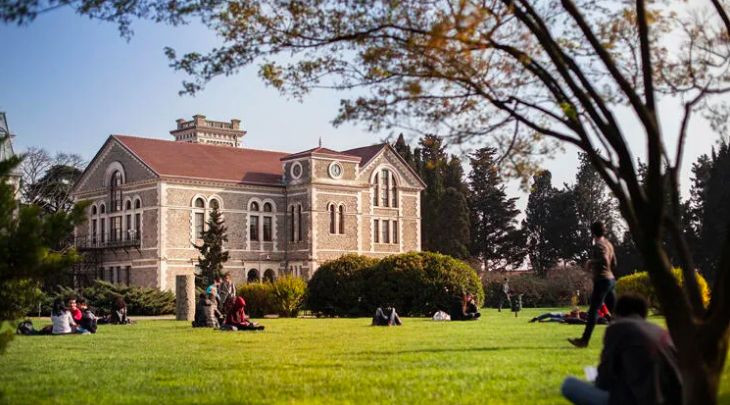
Boğaziçi University Rises 200 Ranks In The QS World University Rankings
In the "World University Rankings 2024" compiled by the London-based university rating agency QS, Boğaziçi University improved by about 200 ranks compared to the previous year and is now ranked 514th.
ACADEMIC
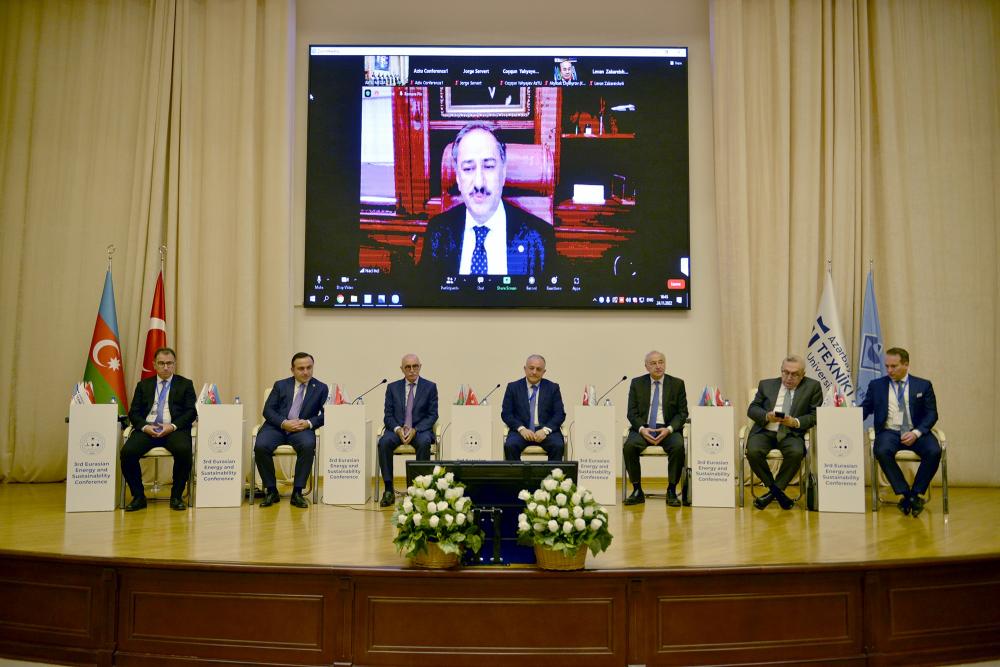
Energy And Sustainability Conference in Azerbaijan in Cooperation With Boğaziçi University
Boğaziçi University continues to contribute to the world of science with national and international organizations that it organizes and participates in as a stakeholder. Recently, within this framework, the 3rd Eurasian Energy and Sustainability Conference was held in Baku, the capital of Azerbaijan, from November 24 to 26, with the participation of about 500 participants from 10 countries, organized by Boğaziçi University and Azerbaijan Technical University (AZTU).
ACADEMIC

21 Scientist From Boğaziçi University Are Included In The List Of The Most Influential Scientist In The World
The annual list of the world's most influential scientists has been announced. Boğaziçi University managed to be included in the list with 21 scientists in the category of "career-long impact" and 21 in the category of "annual impact".
ACADEMIC
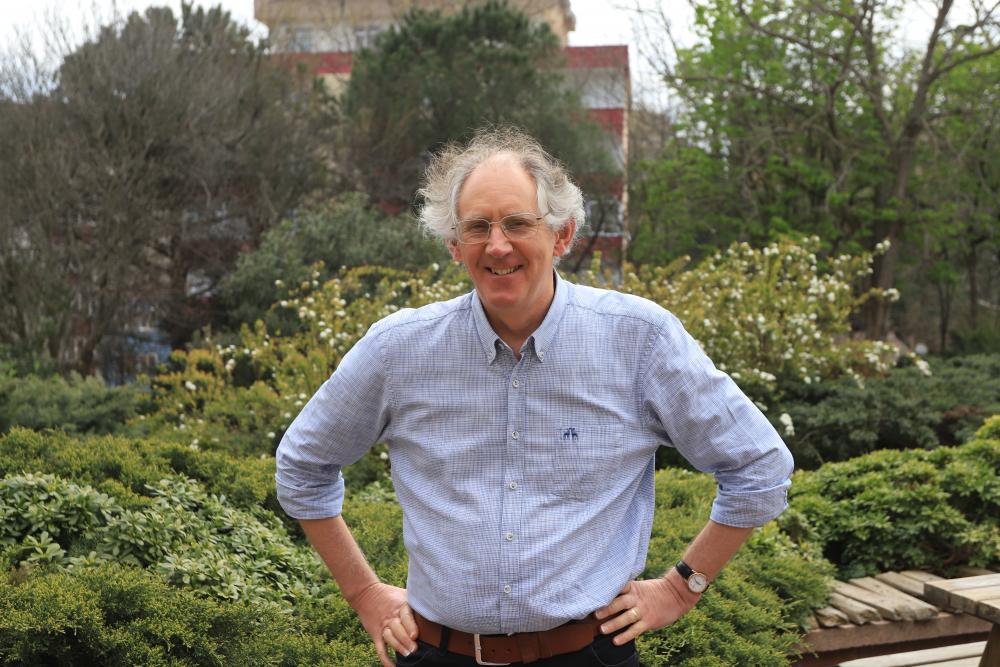
Identifying genetic mechanisms of seed dormancy in plants to help agriculture adapt to the long-term effects of global warming
Plants have evolved strategies to tolerate and survive periodic episodes of environmental stress, such as extremes of temperature. Natural selection led to the development of both adaptive behavior and environmental sensing mechanisms that help plants tolerate or avoid such conditions. One of these strategies is the cessation of growth, which takes place after the induction of dormancy in the seeds of many plants. A new project supported by BAP (Boğaziçi University Scientific Research Fund) will start very soon to understand how climate change induces secondary dormancy in seeds. Dr. Steven Footitt from the Department of Molecular Biology and Genetics and his team will investigate how genetically different seeds of the same species survive in soils by using dormancy to adapt to climate change. This project will contribute to understanding of how native flora will adapt to climate change and help in producing the “climate smart crops” needed to sustain Turkey’s farming communities. We conducted an interview with Dr. Steven Footitt for the details of his project.
ACADEMIC
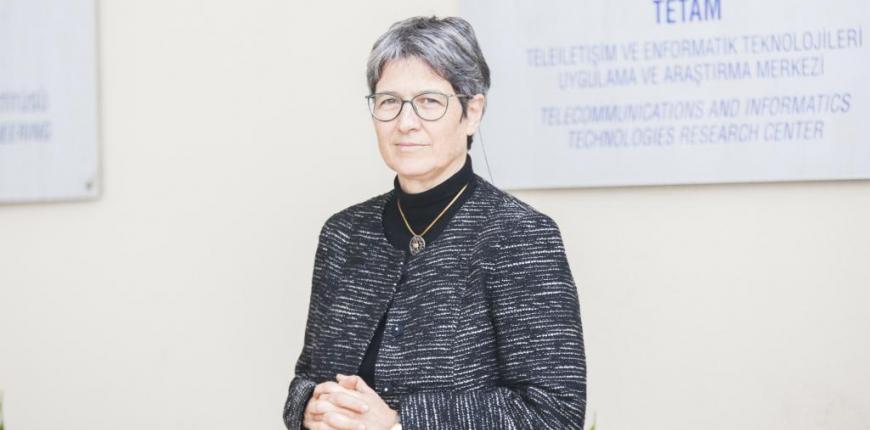
Lale Akarun elected Vice President of International Association of Pattern Recognition
Lale Akarun from Boğaziçi University was elected as the vice president of International Association of Pattern Recognition.
ACADEMIC
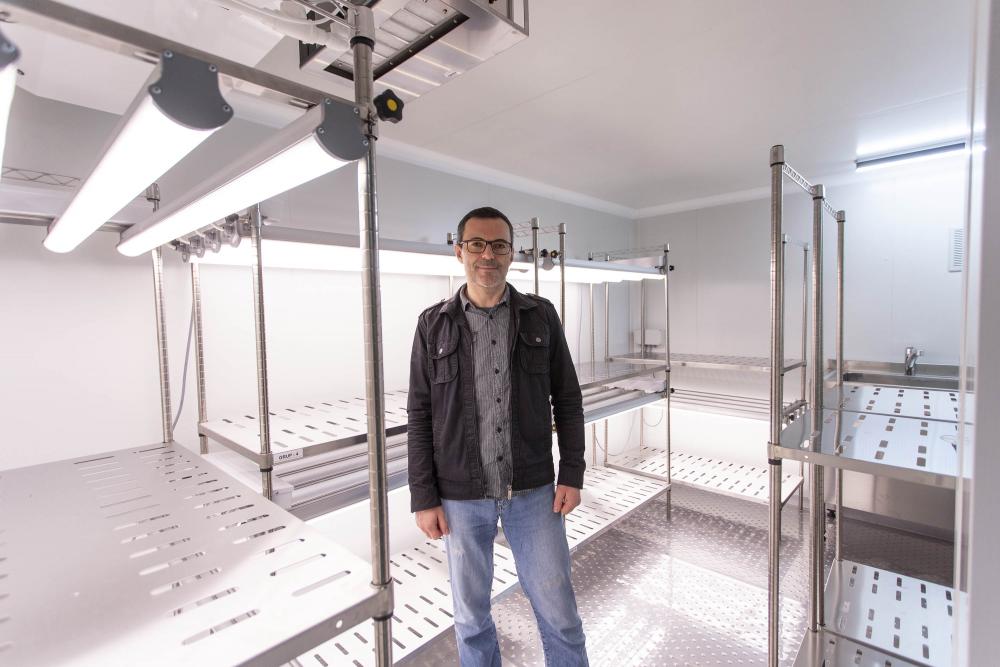
“Understanding the molecular basis of symbiotic nitrogen fixation is the key to more sustainable agriculture in the future”
Modern agriculture completely depends on synthetic nitrogen fertilizers, which are produced from non-renewable energy sources. These fertilizers currently support lives of ca. 7 billion people on Earth, but will be depleted within the next 150 years. Besides the non-sustainable nature of synthetic nitrogen fertilizers, they destroy soil and water ecosystems and contribute to the greenhouse effect (global warming). The natural alternative to synthetic nitrogen fertilizers is symbiotic nitrogen fixation, which exists in limited evolutionary branches of the plant kingdom, notably in the legume family. Legumes can fix atmospheric nitrogen in cooperation with bacteria called rhizobia, which live in so-called root nodules. Unfortunately, most plants that constitute the human diet have no ability to fix their own nitrogen. The project supported by the TÜBİTAK 1001 program started recently at Boğaziçi University for understanding this natural nitrogen fixation mechanism in the model legume Medicago truncatula. Dr. Igor Kryvoruchko from the Department of Molecular Biology and Genetics and his team will realize a systematic functional analysis of alternative proteins involved in symbiotic nitrogen fixation in the model legume. Understanding the molecular basis of this process and using that information in plant breeding programs will uncouple the agriculture from synthetic nitrogen fertilizers in the future. We conducted an interview with Dr. Kryvoruchko for the details of his project.
ACADEMIC
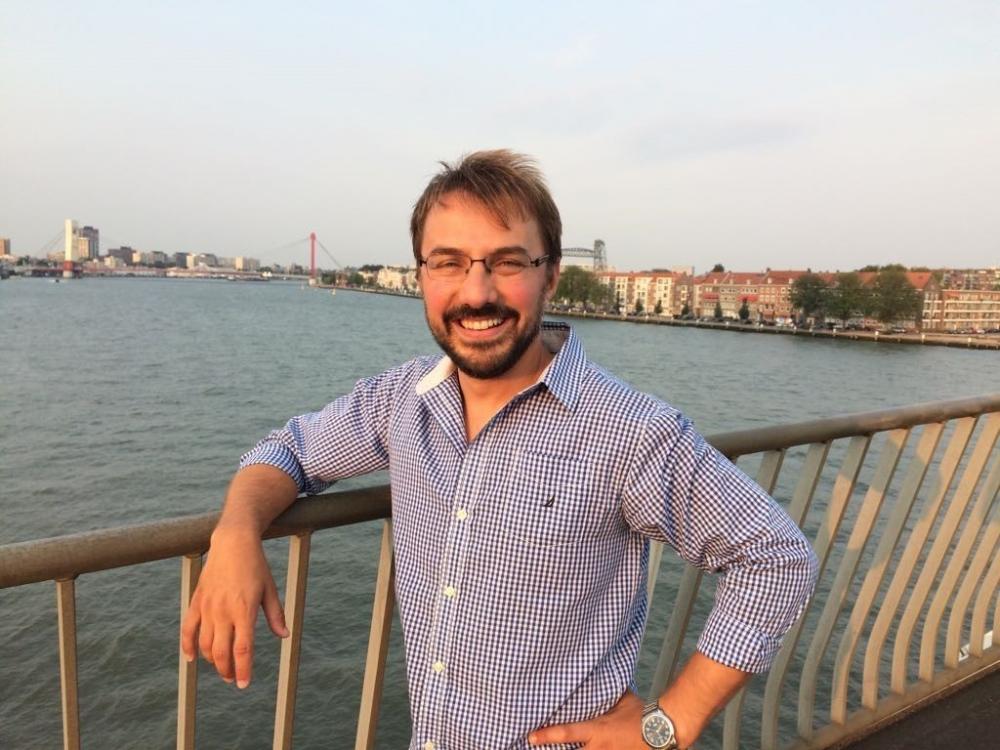
Dr. Paolo Maranzana: “The production and circulation of pottery can reveal how people faced global crises in ancient times”
For understanding the long journey of humanity, archaeology has taken advantage of many disciplines ranging from natural sciences to social sciences. Modern technologies such as Geographical Information Systems (GIS) have also helped archaeology to locate the archaeological materials into wider contexts. Dr. Paolo Maranzana, who recently joined the Department of History in Boğaziçi University is conducting research that benefits from contemporary approaches to archaeology. In his project titled “Manufacturing Goods: The Case of Late Roman Pottery Production and Circulation in Western-Central Anatolia,” Dr. Maranzana will research how economic independence contributed to the survival of Late Roman cities (4th – 7th c. AD) in Central Anatolia in the face of large-scale crises that affected the Roman Empire. By using GIS, he will also visualize and analyze further the connection between production centers and the circulation of ceramic fragments in a broad region.
ACADEMIC

Interview with Raja Abillama: A journey from sociocultural anthropology to sociology…
Raja Abillama joined the Department of Sociology at Boğaziçi University in 2019. Worked as an architecture for a short time and later trained as a sociocultural anthropologist at the City University of New York, currently he teaches courses on anthropology, secularism, and the Middle East in Boğaziçi University. Abillama answers our questions on his areas of interest, his teaching experience in COVID-19 times, the meaning of ‘’secularism’’ in Lebanese political context and the hard times that his home country Lebanon goes through…
ACADEMIC
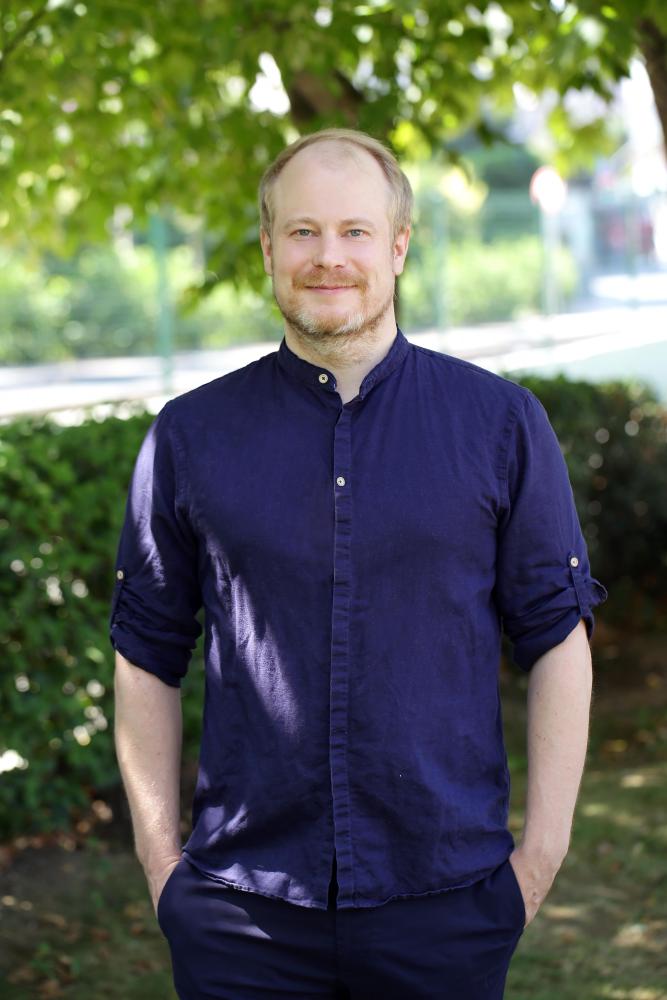
Juho Korhonen: ‘’Democracy as a political process is only meaningful if it has the capacity to challenge existing political structures’’
Assistant Professor Juho Korhonen joined Boğaziçi University Department of Sociology recently. After having experienced different academic environments and ‘’traditions’’starting from Finland, later Germany, Russia and USA, Mr. Korhonen says it was the right moment to join Boğaziçi University when he saw the job ad of Sociology Department last year.
