

-
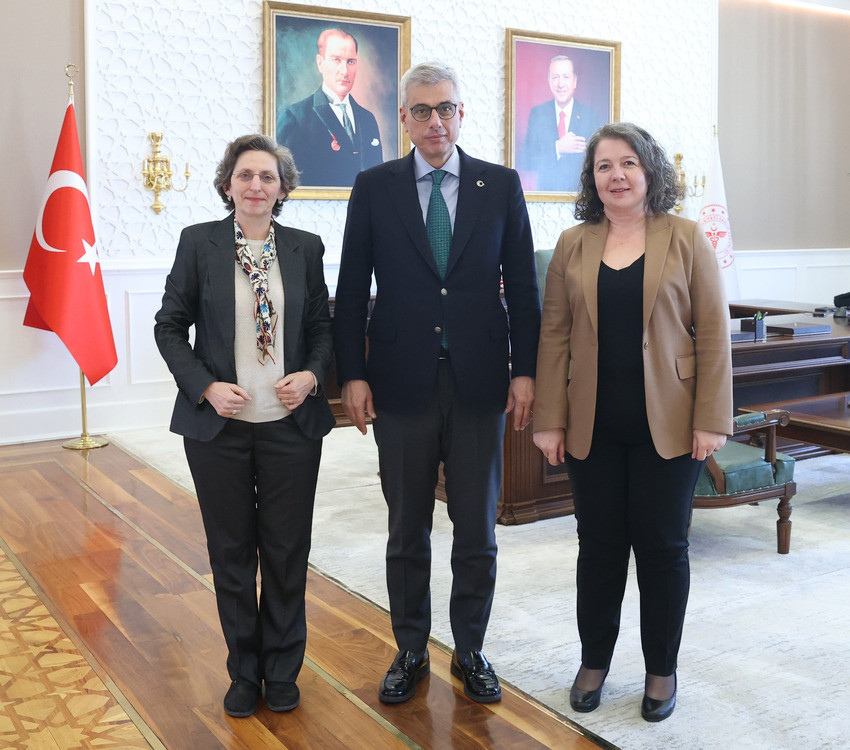 Boğaziçi University faculty member Prof. Dr. Rana Sanyal's contribution to the Phase 1 success of Türkiye's first original drug candidate to reach clinical trials.6 April 2026
 -
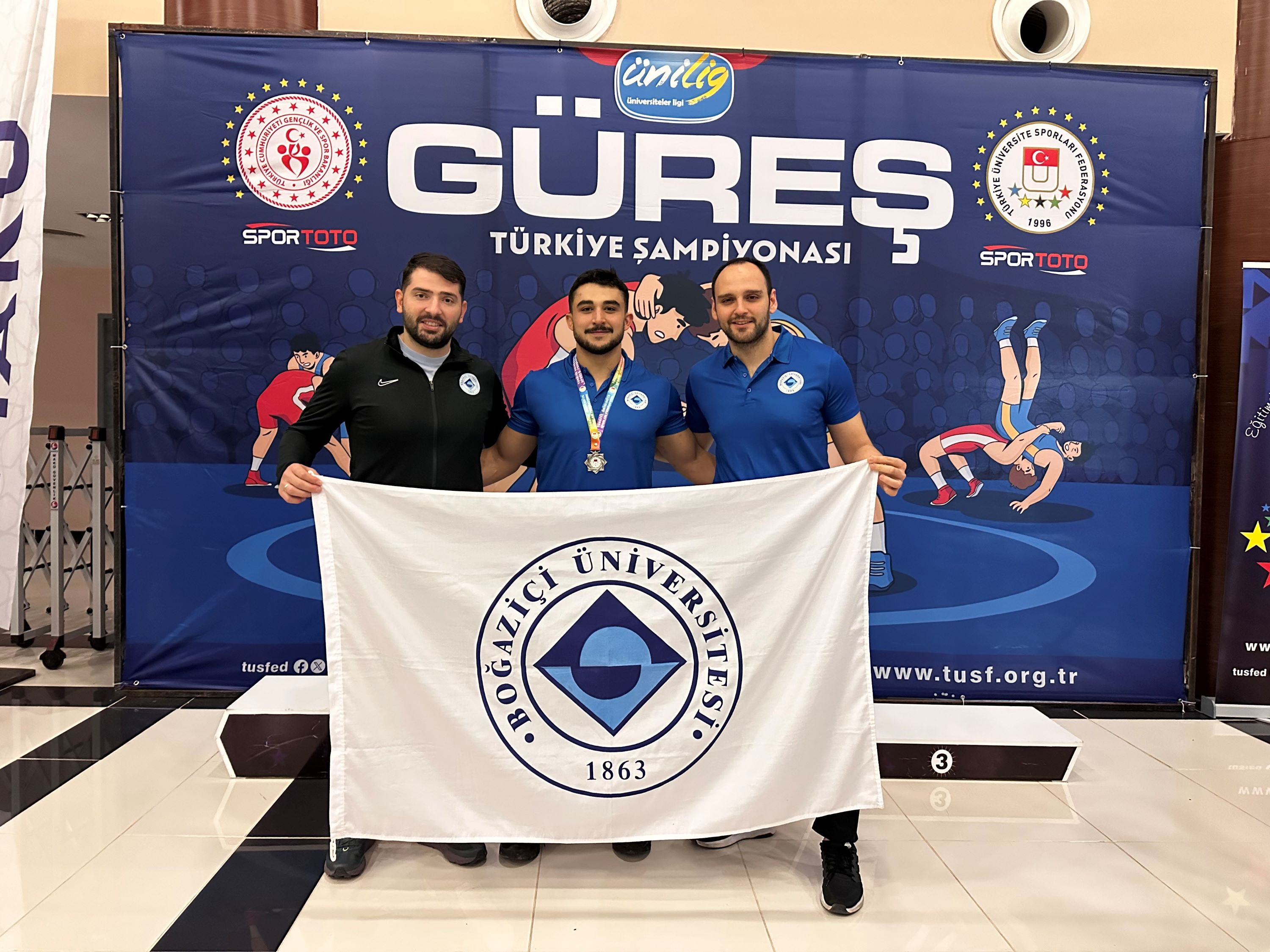 Boğaziçi University Achieves Second Place in National Wrestling Championship2 April 2026
 -
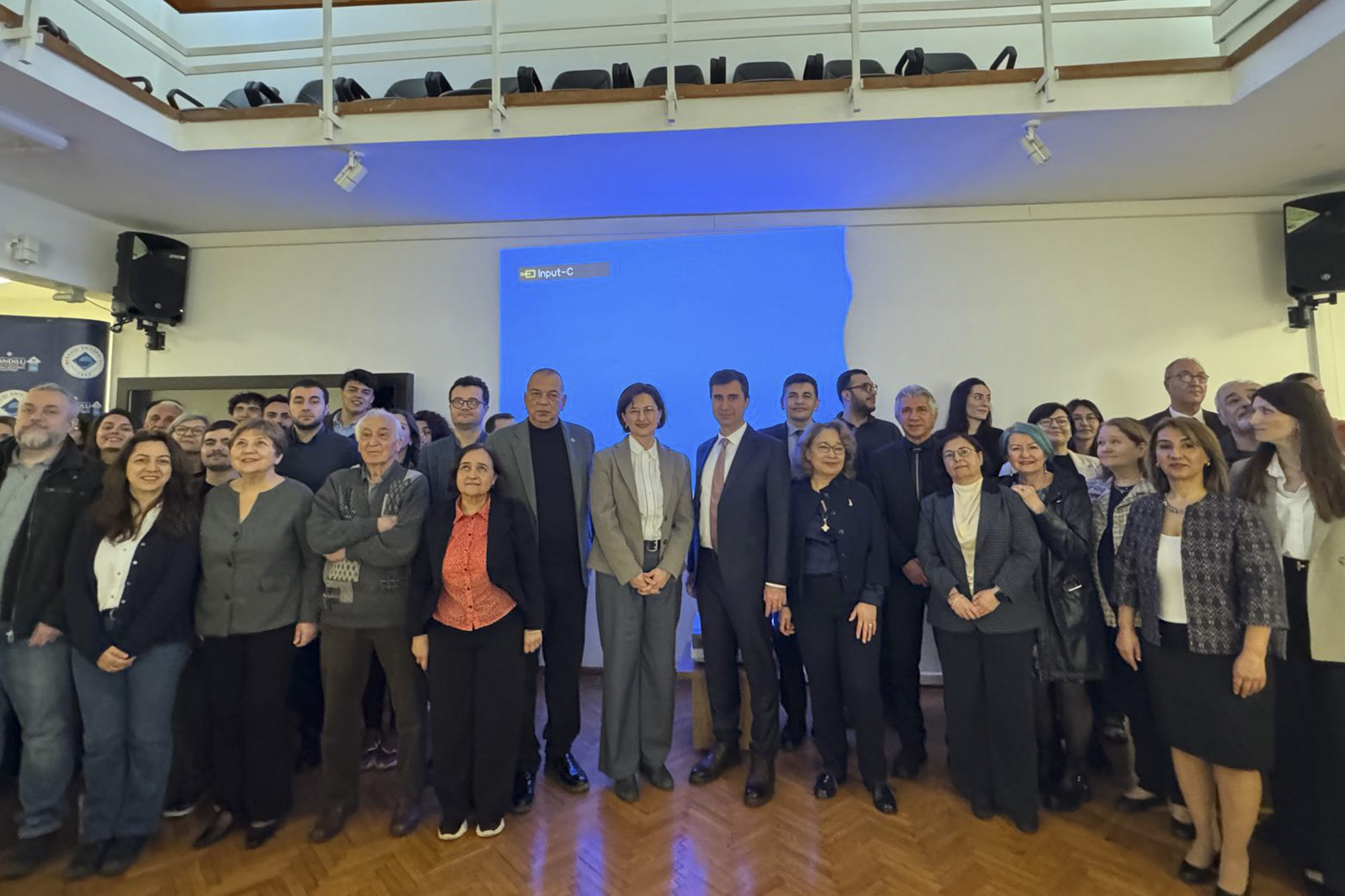 Century-Long Memory of Kandilli Observatory Is Digitized31 March 2026
 -
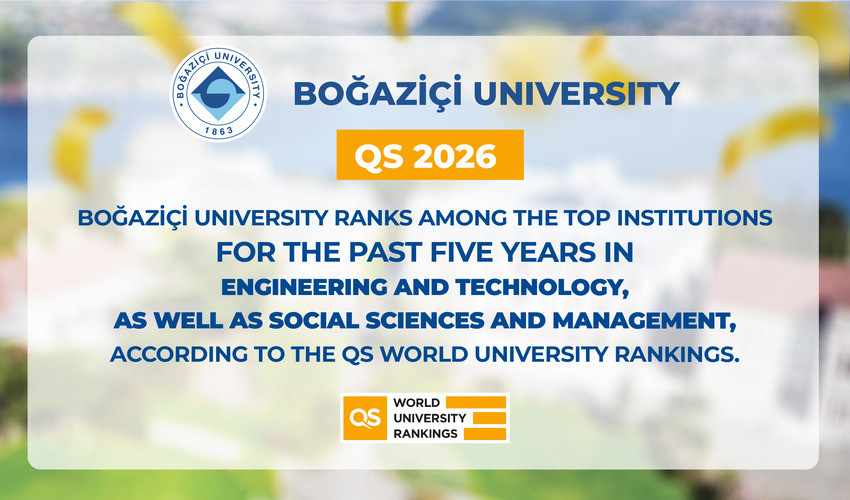 Boğaziçi University Continues Its Upward Momentum27 March 2026
 -
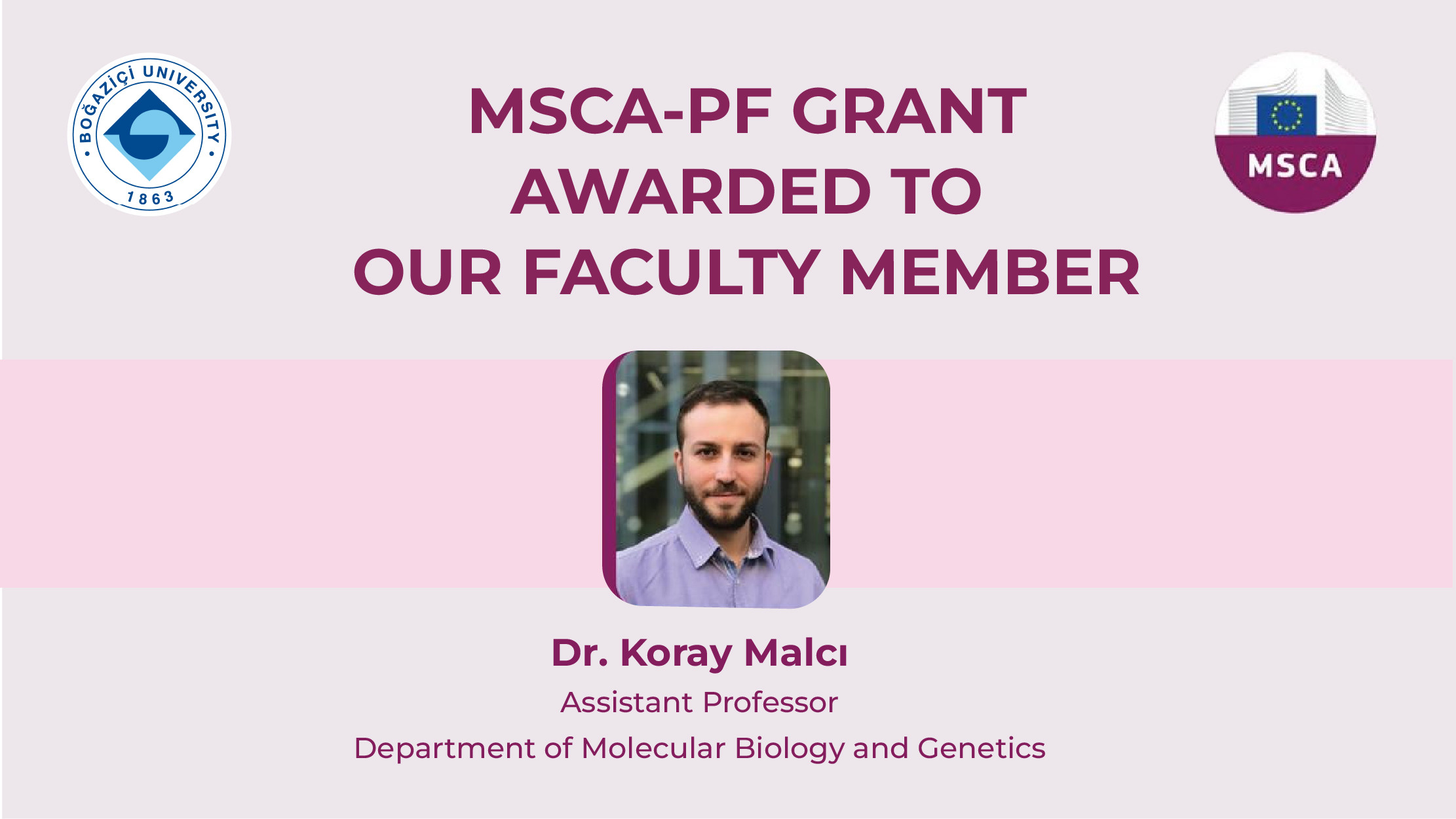 Boğaziçi University Faculty Members Achieve Success in MSCA-PF-202511 March 2026
A Multidimensional Perspective on the Eastern Mediterranean: International Security Panel at Boğaziçi University
At Boğaziçi University, a panel held as part of The Great Art Security Conference addressed the geopolitical, security, and international law aspects of the Eastern Mediterranean.
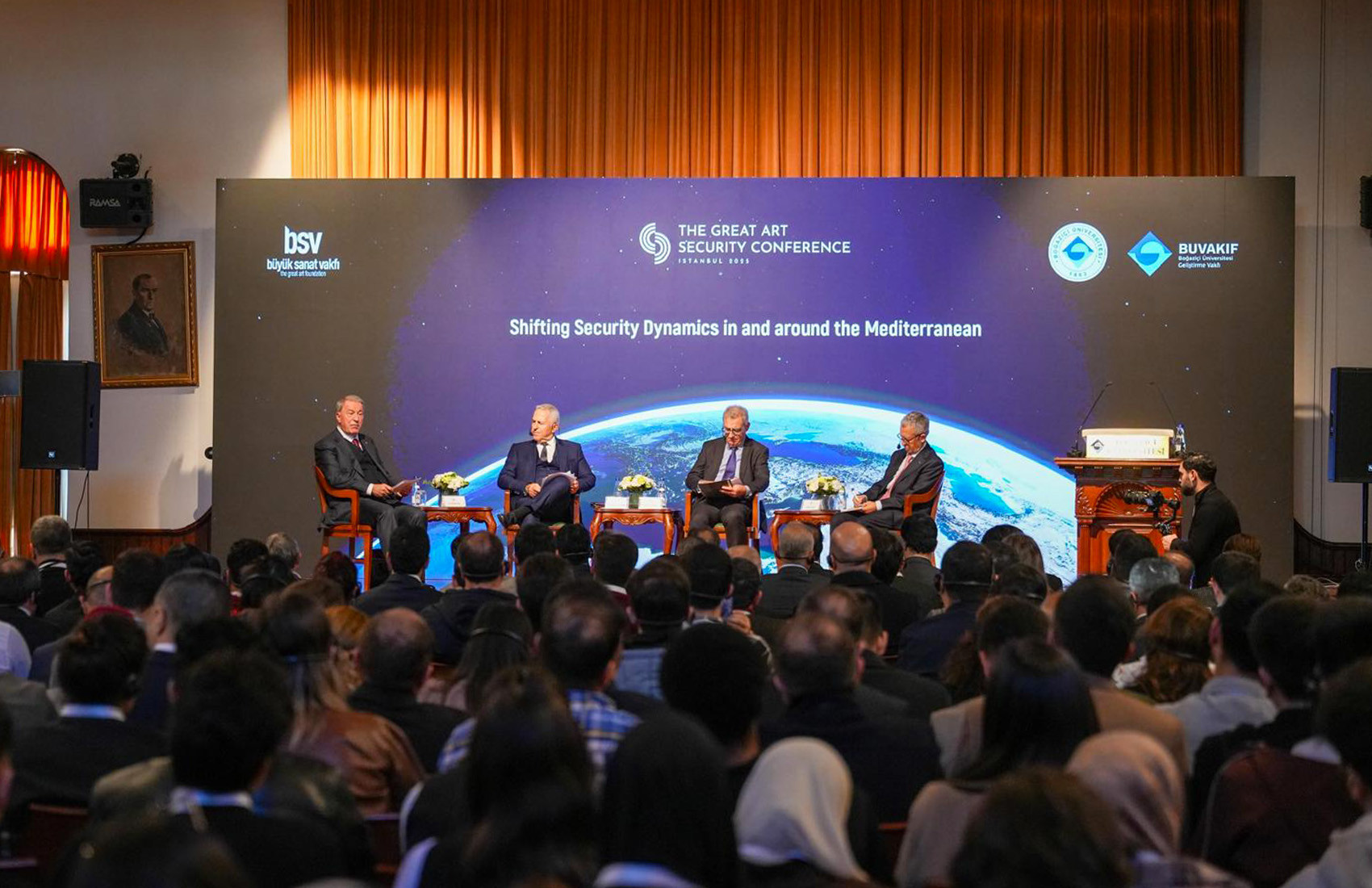
Boğaziçi University hosted the panel titled “Shifting Security Dynamics in and around the Mediterranean” as part of The Great Art Security Conference. The event, which addressed the geopolitical, security, and international law aspects of the Eastern Mediterranean, was held with wide participation.
(1).jpeg)
In his opening remarks, Boğaziçi University Rector Prof. Dr. Naci İnci highlighted the university's long-standing academic tradition and the responsibility that comes with addressing multidimensional issues of strategic importance within universities. Prof. Dr. İnci thanked Boğaziçi University graduate and Chairman of the Turkish Grand National Assembly's National Defense Commission, Dr. Hulusi Akar, for his contributions to organizing the program and expressed his pleasure at the participation of international guests.
During the opening session, it was emphasized that the Eastern Mediterranean should be evaluated not only from the perspectives of history, security, or international law, but through a comprehensive approach encompassing all these areas. It was underscored that the Mediterranean is not merely a geographical area, but also a historical and cultural basin where civilizations intersect. It was stated that academic institutions have a responsibility to provide platforms where such complex and sensitive issues can be discussed impartially.
The panel session was moderated by Dr. Hulusi Akar. Speakers included former Greek Defense Minister Evangelos Apostolakis, former Maltese Foreign Minister Evarist Bartolo, and retired ambassador Mithat Rende.
In his opening remarks, Dr. Hulusi Akar emphasized the need to address security issues in a multidimensional manner, highlighting that universities are important institutions contributing to these discussions at the national and international levels. He also expressed his pleasure at being a graduate of Boğaziçi University. The panel assessed the geopolitical importance of the Eastern Mediterranean, regional security balances, and the role of international law from different perspectives. Speakers drew attention to the impact of the ongoing conflicts in Ukraine and Gaza on regional and global security; the increasing role of artificial intelligence technologies in security strategies and new areas of risk were also among the topics discussed.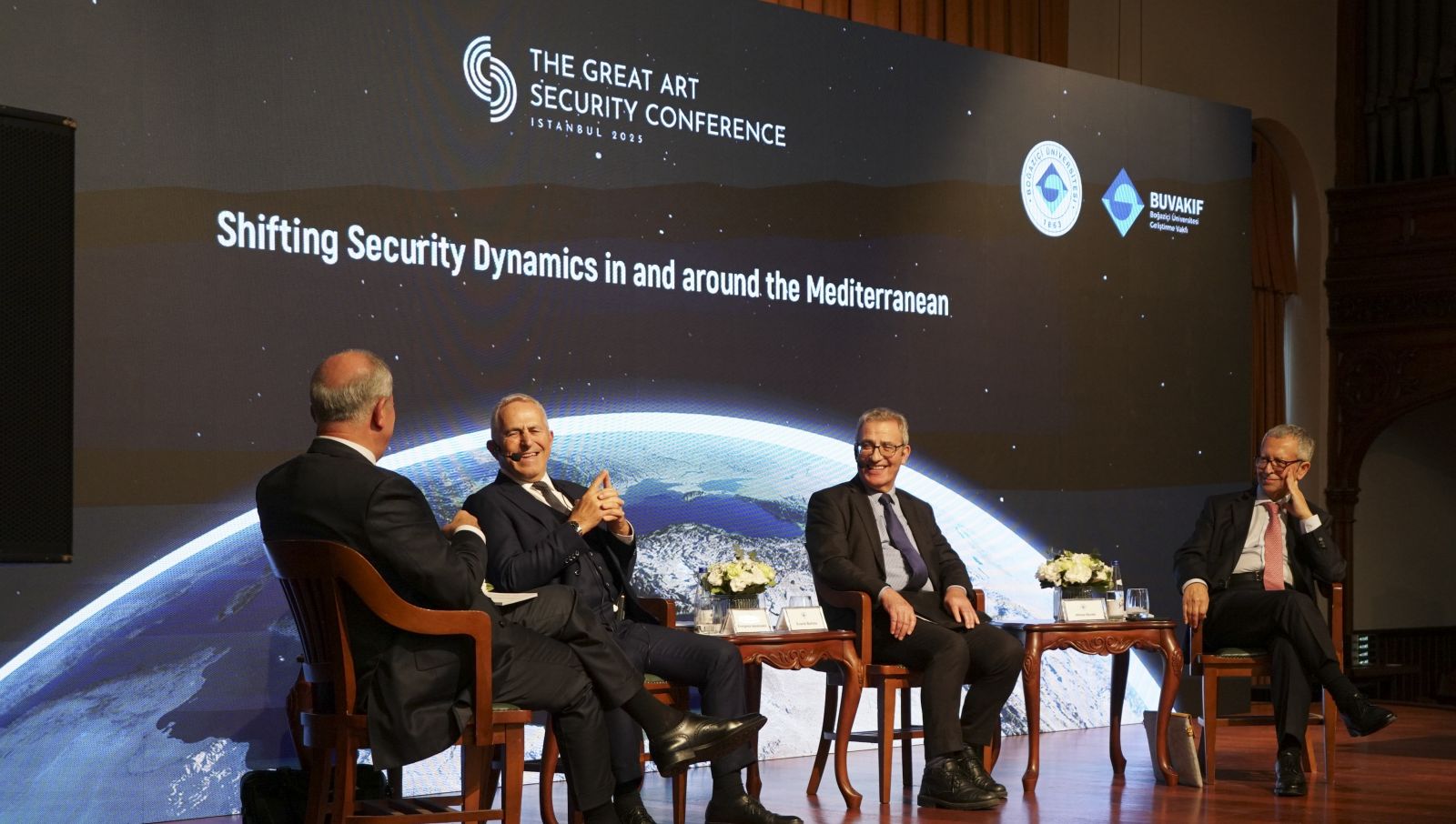
The speeches emphasized that the Eastern Mediterranean is not only a national but also a regional issue and that cooperative approaches are important. It was stated that Turkey's fundamental goals in the region are the protection of its legitimate maritime jurisdiction areas and the support of peace and stability.
One of the panel speakers, Evangelos Apostolakis, defined the Eastern Mediterranean as a “shared neighborhood area” and emphasized that humanitarian crises, energy resources, and maritime jurisdiction areas are decisive topics for the region's future. The discussions concluded with an emphasis on climate change, migration, water scarcity, and governance as important elements of the Eastern Mediterranean's security agenda.
.JPG)
The event concluded with assessments highlighting the vital importance of dialogue, cooperation, and peace in the Eastern Mediterranean for regional and global stability.
