
-
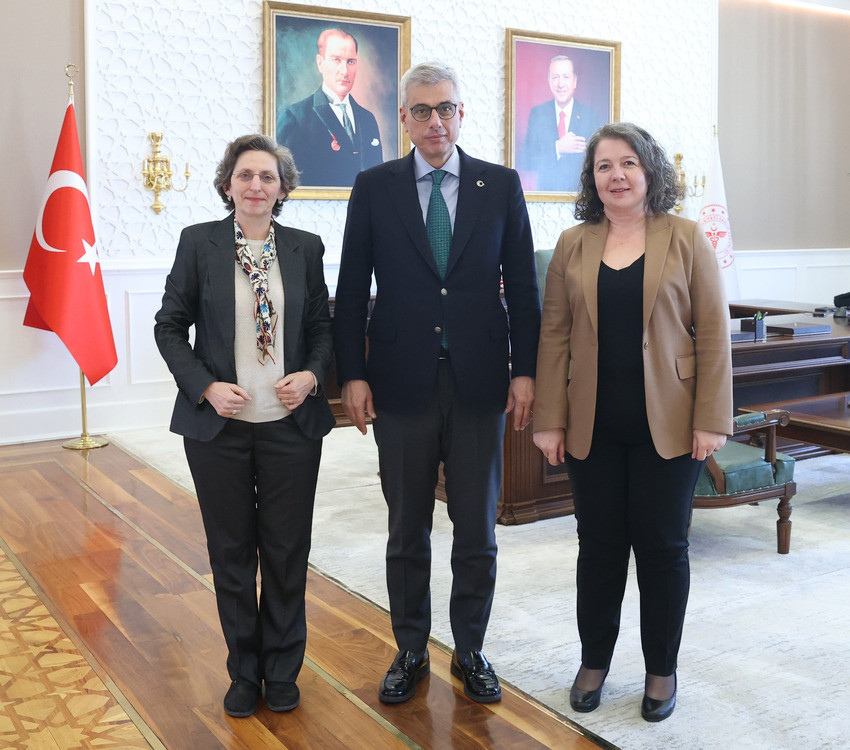 Boğaziçi University faculty member Prof. Dr. Rana Sanyal's contribution to the Phase 1 success of Türkiye's first original drug candidate to reach clinical trials.6 April 2026
 -
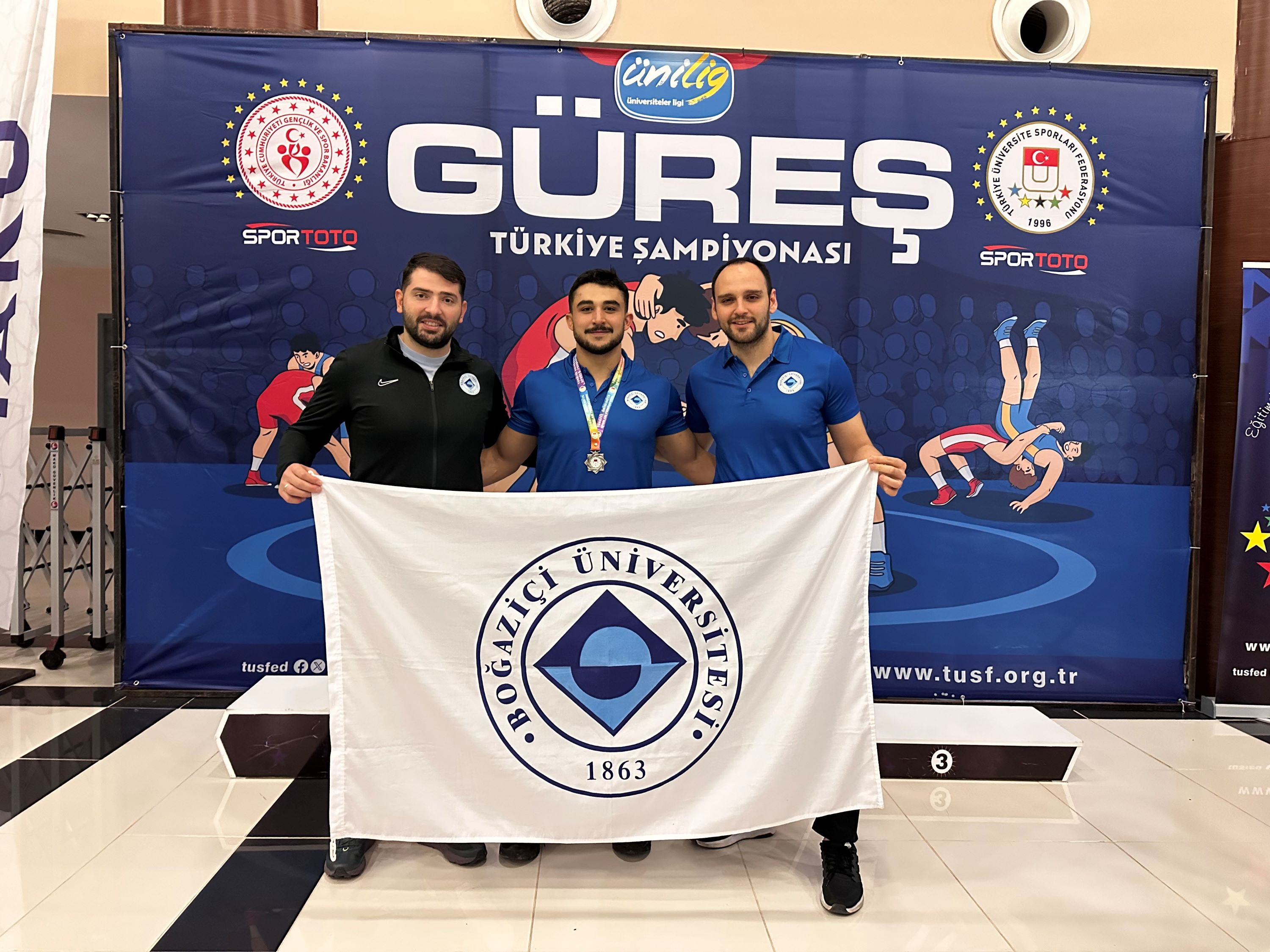 Boğaziçi University Achieves Second Place in National Wrestling Championship2 April 2026
 -
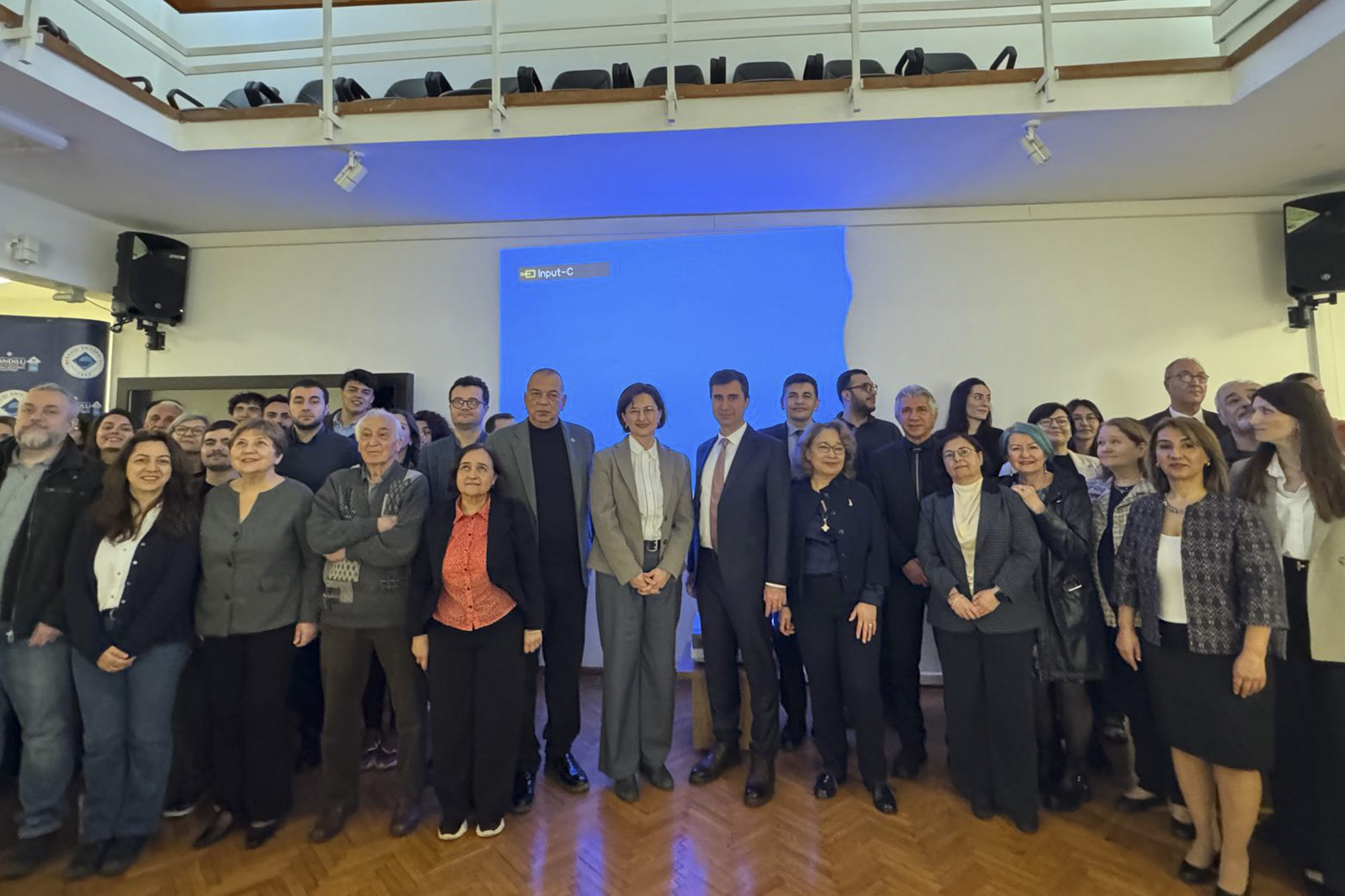 Century-Long Memory of Kandilli Observatory Is Digitized31 March 2026
 -
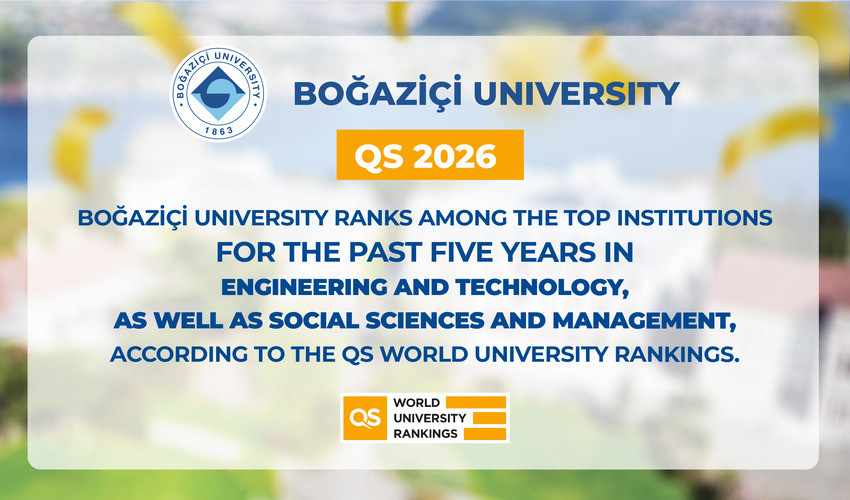 Boğaziçi University Continues Its Upward Momentum27 March 2026
 -
 Boğaziçi University Faculty Members Achieve Success in MSCA-PF-202511 March 2026
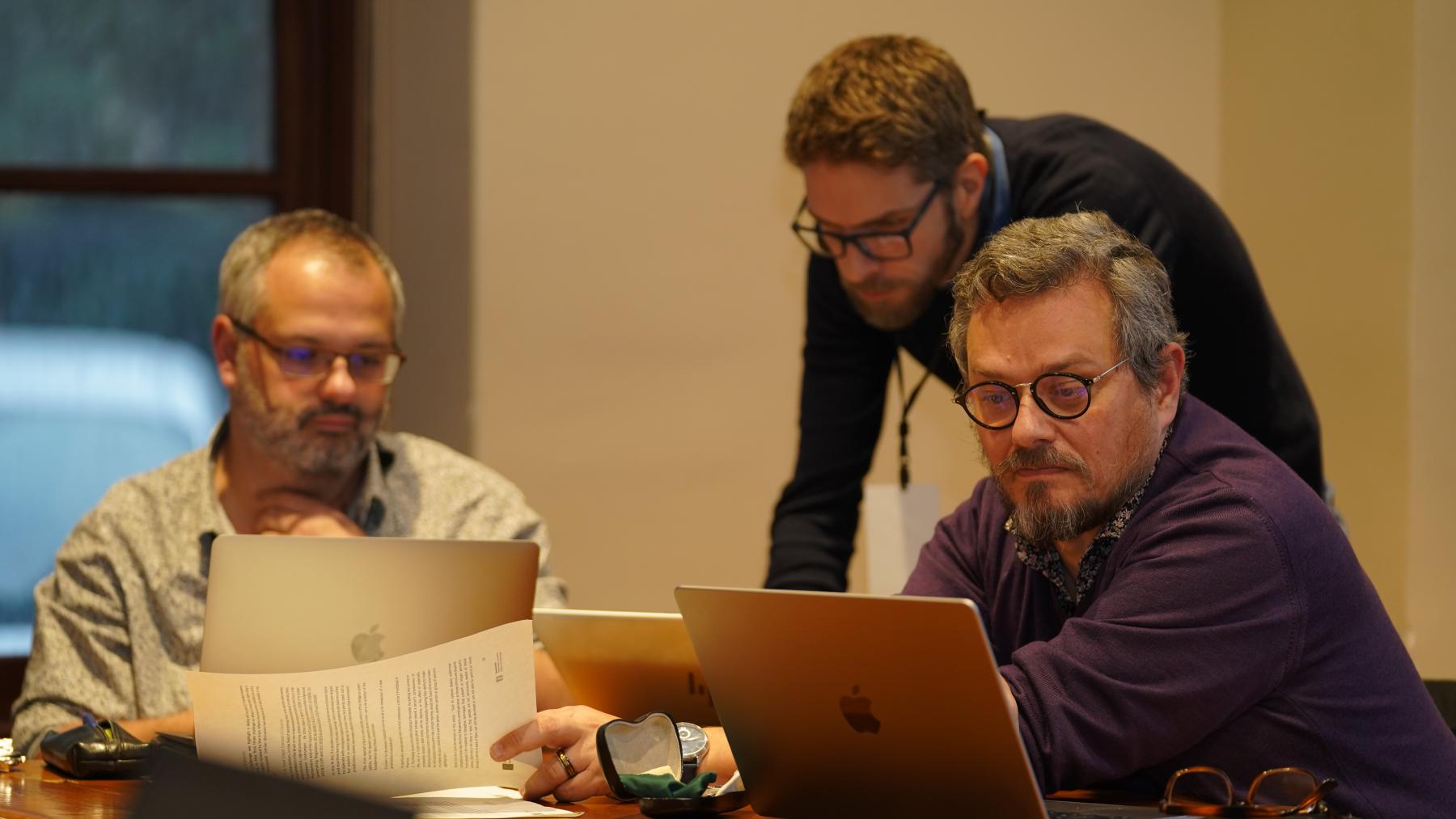
Eight Prominent European Universities Convened At Boğaziçi University As Part Of The NeurotechEU Initiative
The NeurotechEU (The European University of Brain and Technology) Istanbul Meeting was held on November 13-14 and focused on advancing projects within the domain of neuroscience, featuring participation from distinguished scientists, researchers, and students.
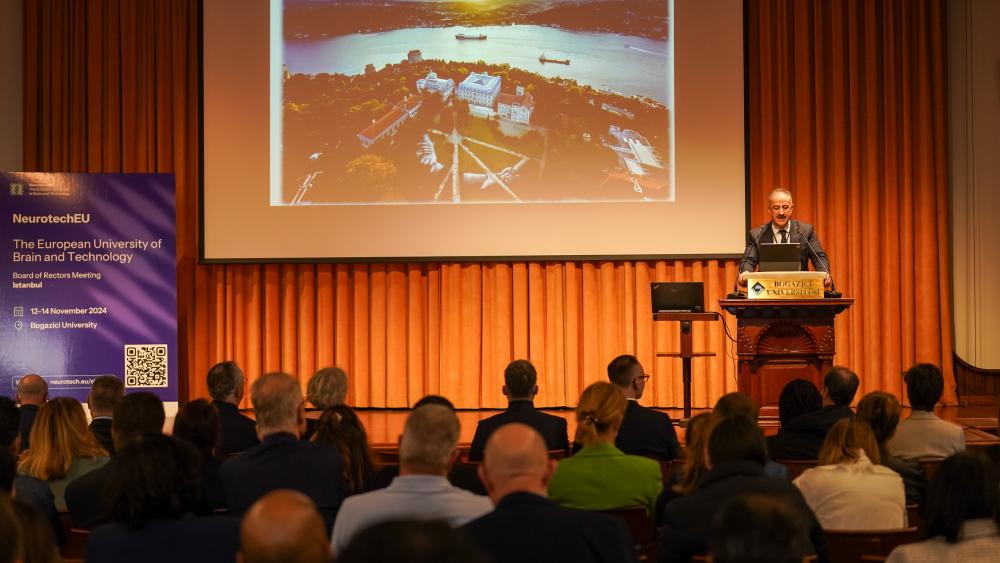
Initiated in 2020 under the framework of the European Universities Initiative, which seeks to foster collaboration among institutions to enhance the competitiveness of European higher education in comparison to counterparts in the United States and Asia, this gathering attracted representatives from the eight universities involved in the NeurotechEU consortium. The meeting occurred on Boğaziçi University’s South Campus, where the urgency for innovative research and educational collaboration in neuroscience was central to discussions.
BOĞAZİÇİ UNIVERSITY IS COMMITTED TO SUPPORTING SUCH A PRESTIGIOUS PARTNERSHIP
Professor Dr. Mehmet Naci İnci, Rector of Boğaziçi University, articulated the significance of international partnerships during the NeurotechEU Rectors' Council Meeting. He remarked,
"As Boğaziçi University, we traditionally attract the most accomplished students, as evidenced by our standing in the Higher Education Institutions Examination (YKS), where approximately 800 of the top 1,000 candidates chose our institution. This underscores the trust placed in us nationally. While we continue to draw exceptional talent, international collaborations are an essential priority. Each year sees an increase in the number of international scholars joining our academic community. In partnership with European institutions and beyond, we are launching and supporting initiatives focused on research and development, curriculum enhancement, accreditation, and exchange programs. In this light, we regard NeurotechEU as a paradigmatic initiative for fostering extensive cooperation in neuroscience among Europe’s leading universities. Through this collaborative platform, we are contributing to globally significant advancements in neuroscience, and Boğaziçi University is committed to supporting such a prestigious partnership."
"WE HAVE CREATED A GREAT 'VOLTRON' IN EUROPE"
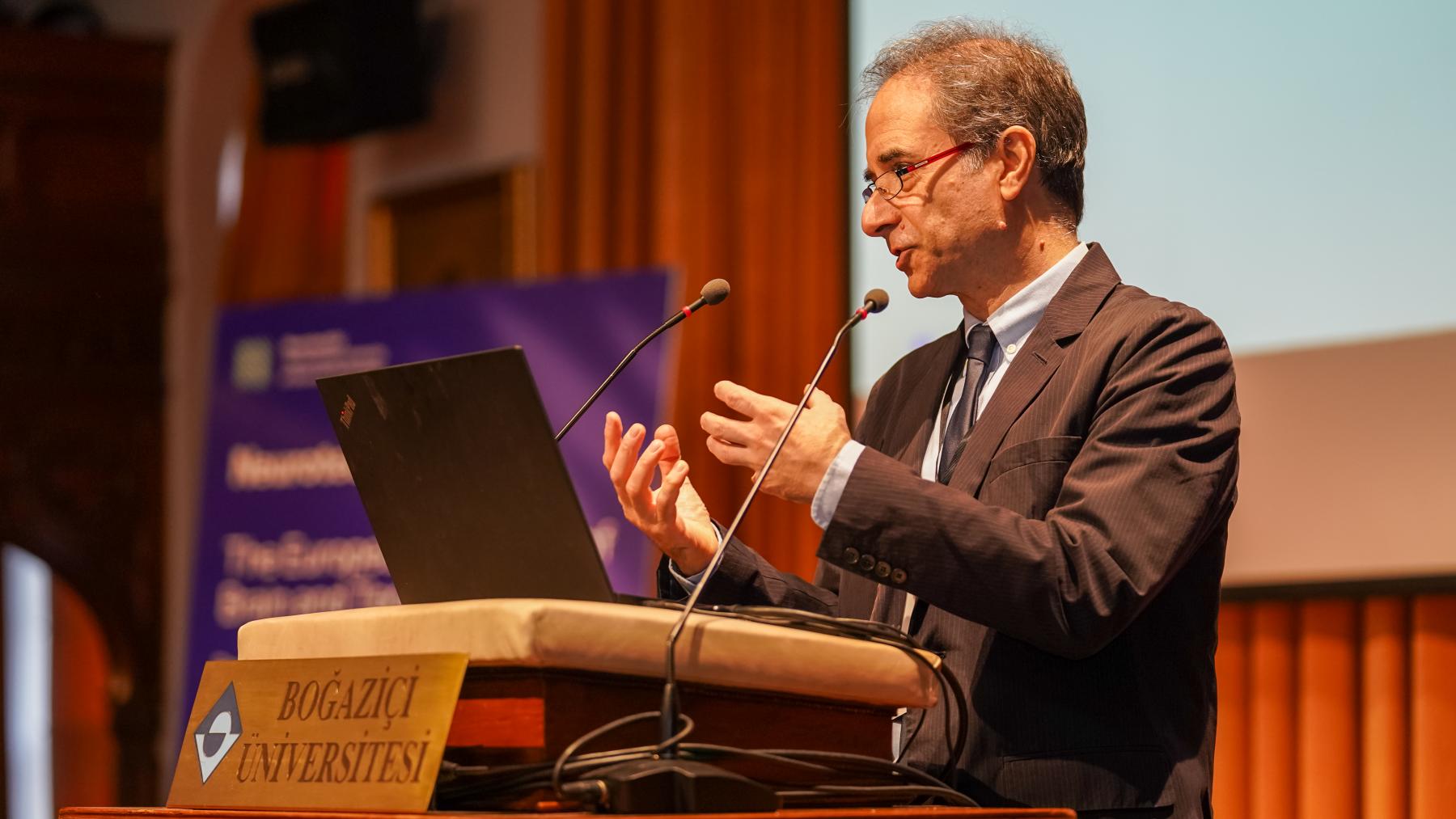
Professor Dr. Can Ali Yücesoy, Coordinator of NeurotechEU at Boğaziçi University and a faculty member in Biomedical Engineering, emphasized the remarkable strides made in neuroscience research resulting from the collaborative network akin to a 'Voltron' forged among Europe’s leading higher education institutions. He stated, "We are uniting rectors, scientists, researchers, and students from eight esteemed institutions at Boğaziçi University. Since the inception of NeurotechEU, we have successfully created a formidable integration in the field of neuroscience. The international backing for our innovative work is invaluable, and the establishment of this extensive 'Voltron' in Europe serves as a compelling model for integration on both regional and global scales. This collaboration enables us to achieve notable accomplishments that would otherwise require considerable time and effort as individual entities."
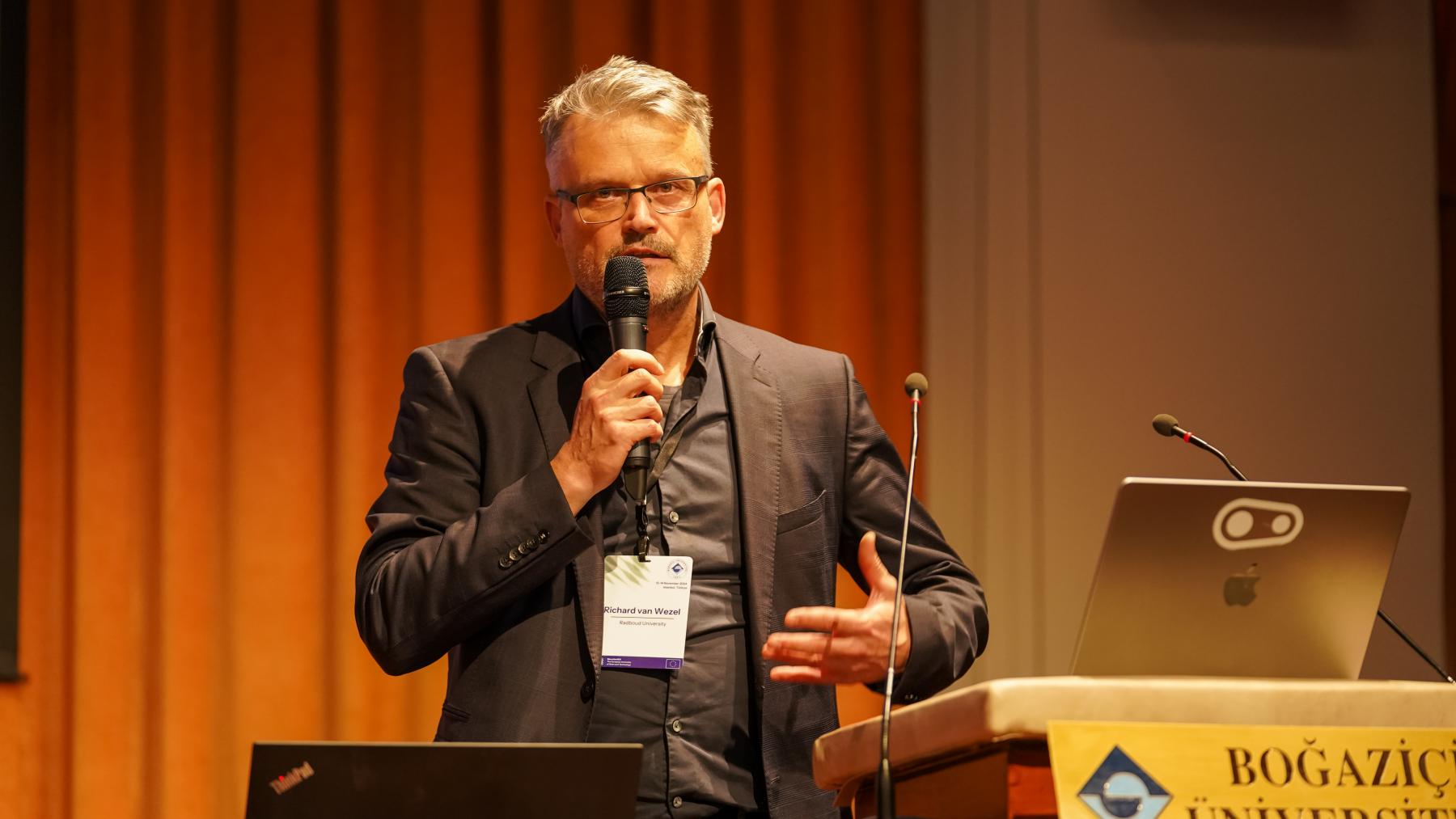
NeurotechEU Coordinator Richard van Wezel further noted that the initiative has facilitated meaningful exchange opportunities for numerous experts and students across Europe. He highlighted that participants in the unique NeurotechEU alliance not only enhance their specialized knowledge but also engage with diverse perspectives and cultures.

Under the NeurotechEU umbrella, member institutions include Radboud University (Netherlands), Miguel Hernández University of Elche (Spain), Karolinska Institute (Sweden), Rheinische Friedrich-Wilhelms-Universität Bonn (Germany), Universitatea de Medicină și Farmacie din Cluj-Napoca (Romania), Lille University (France), Reykjavík University (Iceland), and Boğaziçi University (Türkiye). Collectively, NeurotechEU encompasses approximately 180,000 students and 90,000 faculty members throughout Europe, promoting a rich tapestry of academic collaboration in the field of neuroscience.