

-
 Boğaziçi University faculty member Prof. Dr. Rana Sanyal's contribution to the Phase 1 success of Türkiye's first original drug candidate to reach clinical trials.6 April 2026
 -
 Boğaziçi University Achieves Second Place in National Wrestling Championship2 April 2026
 -
 Century-Long Memory of Kandilli Observatory Is Digitized31 March 2026
 -
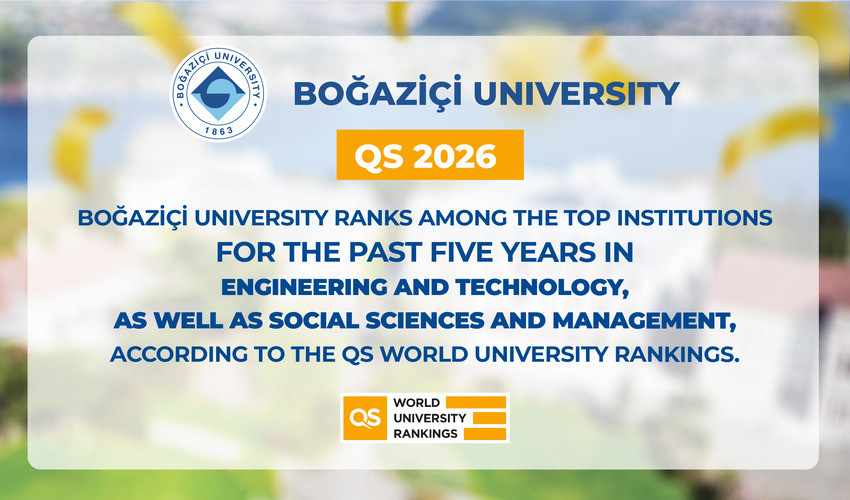 Boğaziçi University Continues Its Upward Momentum27 March 2026
 -
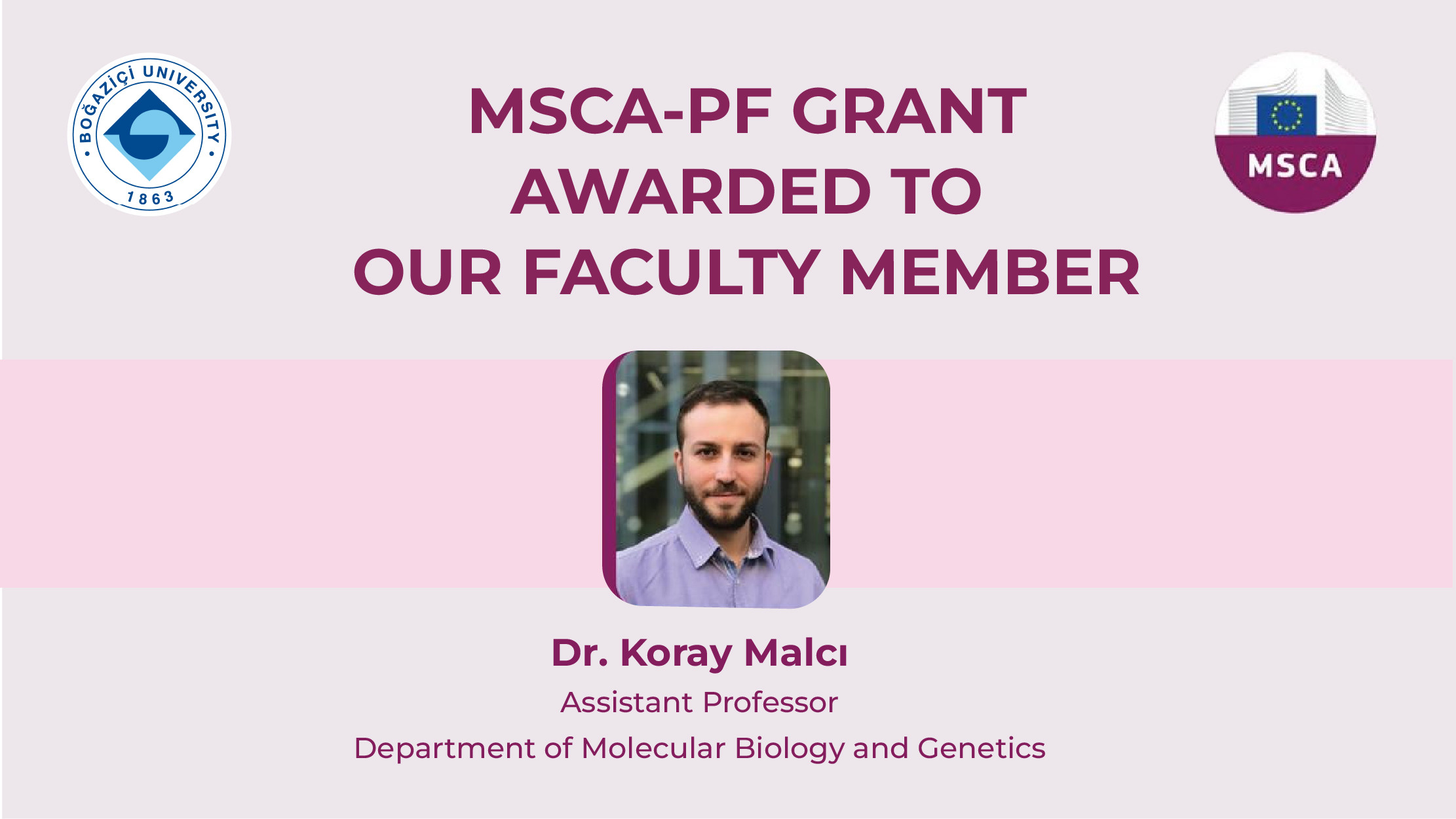 Boğaziçi University Faculty Members Achieve Success in MSCA-PF-202511 March 2026
Boğaziçi Lectures Features World-Renowned Historian of Science Prof. Dr. F. Jamil Ragep
The latest installment of the Boğaziçi Lectures series featured Prof. Dr. F. Jamil Ragep, a distinguished scholar and former Director of the Canada Research Chair in the History of Science in Islamic Societies at McGill University, Canada. Renowned for his expertise in the history of astronomy and Islamic science, Prof. Ragep addressed pre-modern astronomical approaches during his lecture.
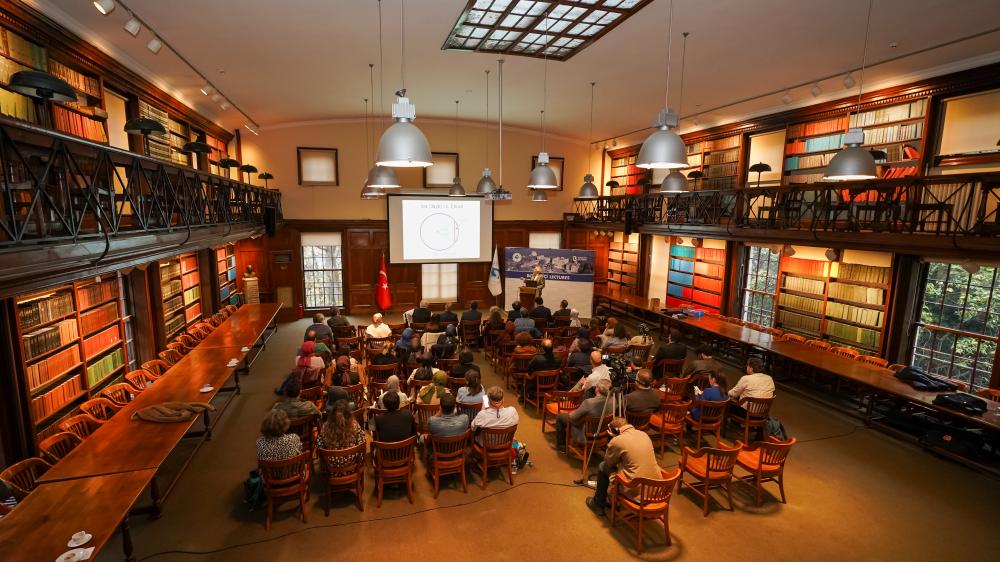
Boğaziçi University regularly hosts influential figures from diverse fields as part of the Boğaziçi Lectures series, which emphasizes comprehensive explorations of academic and scientific subjects. This platform aims to tackle both global and local challenges, offering fresh perspectives and fostering meaningful dialogue among participants. The lectures serve as an important forum for leading scientists, academics, intellectuals, and decision-makers in a range of disciplines, including science, culture, art, literature, economics, politics, and international relations, to engage with the Boğaziçi community.
On November 15, Prof. Dr. Ragep presented his insights in the Rectorate Conference Hall, delving into the perceptions of the universe and Earth held by ancient Greek, Islamic, and pre-modern European philosophers. The event was attended by Boğaziçi University Rector Prof. Dr. Mehmet Naci İnci, Vice Rector Prof. Dr. Fazıl Önder Sönmez, along with researchers focused on the history of art and science.
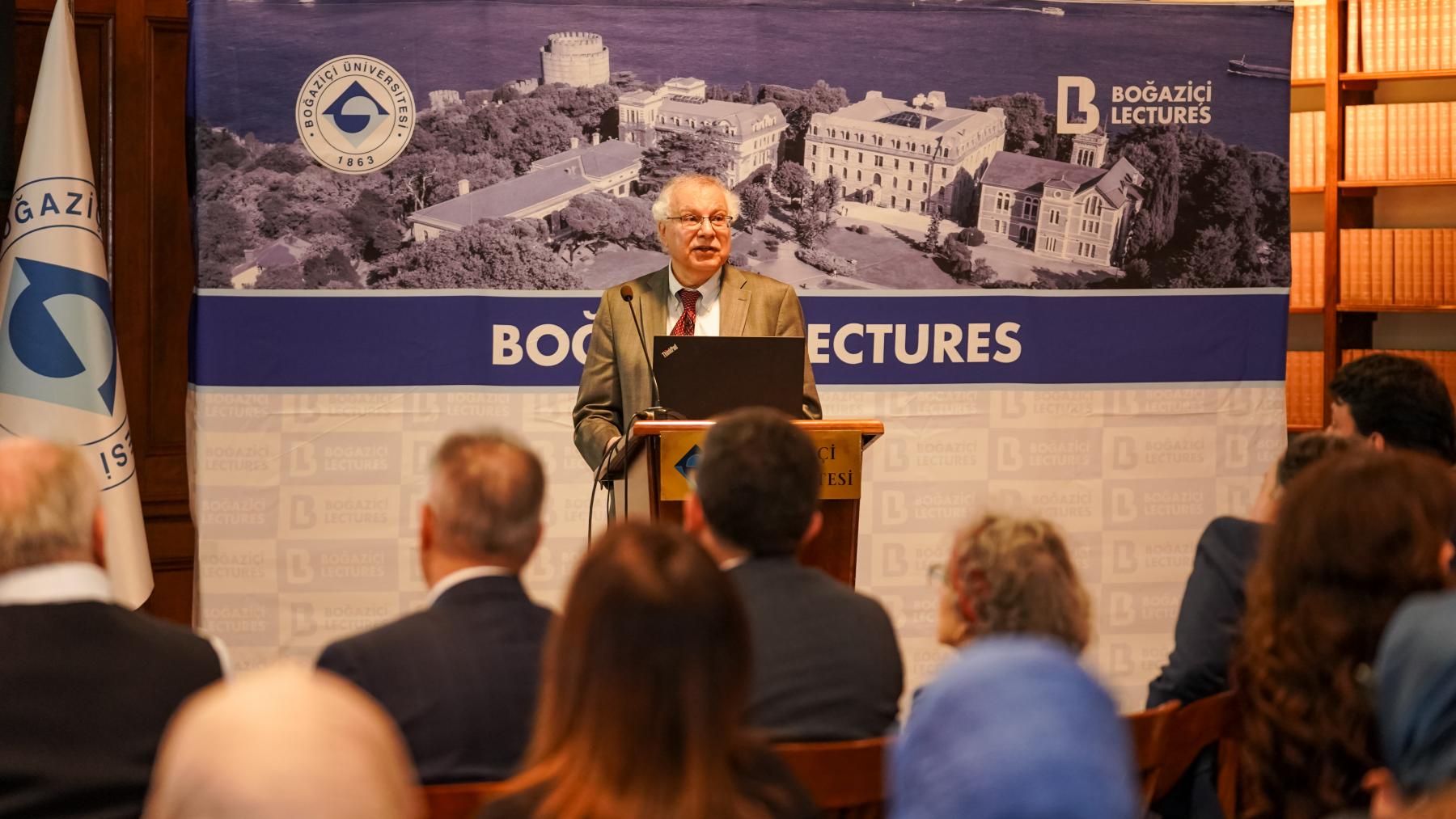
“ISLAMIC PHILOSOPHERS’ CALCULATIONS CLOSELY ALIGNED WİTH MODERN VALUES"
During his lecture, Prof. Dr. Ragep emphasized the remarkable accuracy of calculations by Islamic philosophers, particularly regarding the Earth's circumference. He noted that before the modern era, significant astronomical advancements laid the foundation for subsequent discoveries.
"Many ancient Greek philosophers, including Plato and Eratosthenes, proposed various models to comprehend the Earth and the cosmos," Dr. Ragep explained. "The geocentric model, which posited the Earth as the center of the universe, dominated thought from antiquity through the modern period. Interestingly, the Greek calculations concerning the Earth's circumference were much closer to actual values than previously regarded. In the Islamic world, astronomy was equally significant, with notable inventions such as qibla finders and sextants emerging from centers like Samarkand.”
He elaborated that the functionality of these instruments relied on precise measurements and observations. Scholars from regions including Istanbul, Azerbaijan, and Delhi employed advanced mathematical techniques, resulting in calculations of the Earth's circumference strikingly aligned with modern measurements. For example, Al-Biruni, an 11th-century philosopher, estimated the Earth's circumference to be approximately 39,700 kilometers, close to today's equatorial measurement of around 40,080 kilometers.
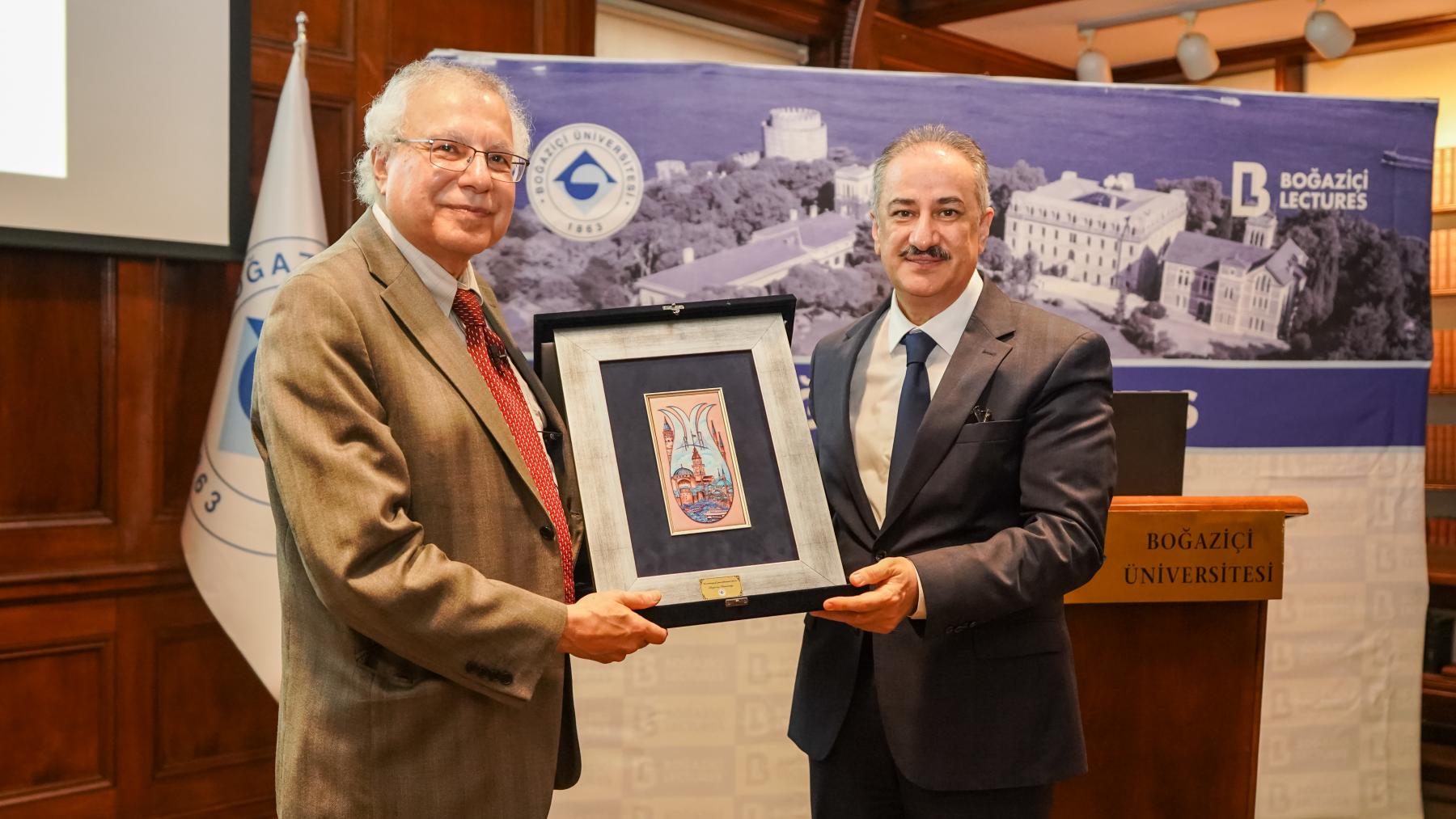
Additionally, Prof. Dr. Ragep highlighted that for Islamic philosophers, the study of astronomy served a profound purpose: to "glorify the existence of God." He shared relevant verses from the Quran that inspired Islamic scholars to pursue deeper inquiries into the cosmos, illustrating the interplay between faith and scientific exploration in the historical context of Islamic astronomy.
